
Phili-Phobi
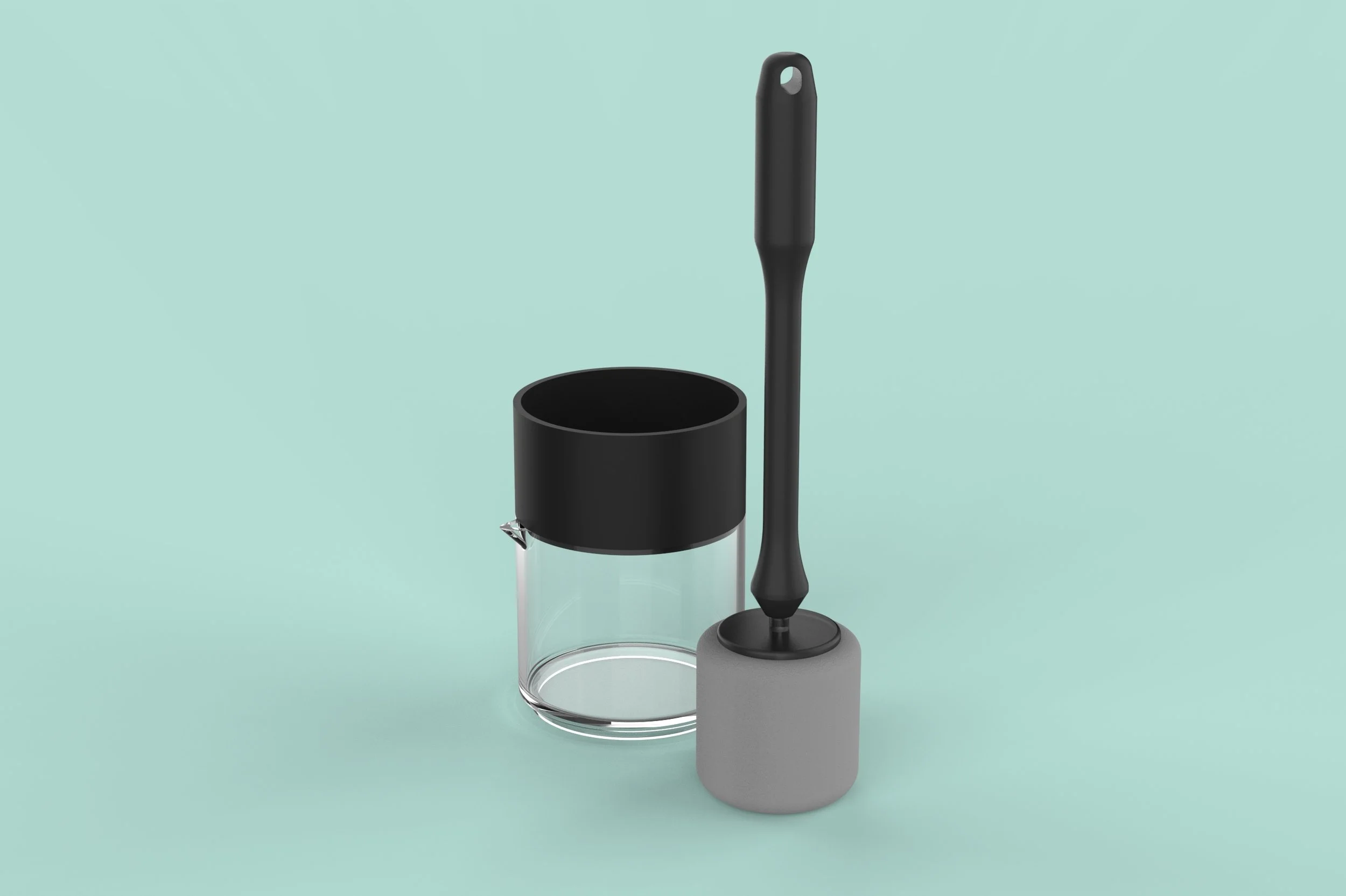
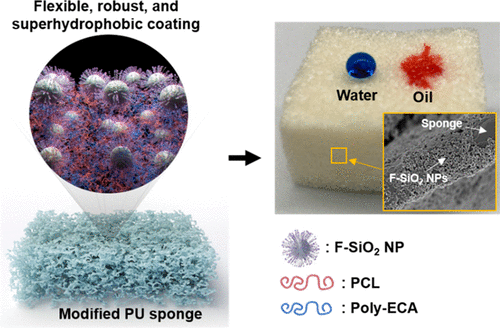
A research paper published in 2022 investigated a durable superoleophilic and superhydrophobic coating for efficient oil/water separation and oil absorption. The coating is applied through a simple immersion process, followed by solvent evaporation and polymerization. A polyurethane sponge that goes through this process retains mechanical stability, flexibility, elasticity, and is extremely durable, retaining its oil absorbing abilities even after undergoing various mechanical abrasion tests. This provides an efficient means of cleaning oil spills in the ocean with excellent reusability.
Another setting where we deal with oil is in our home kitchens. While cooking soups and broths, there is usually a lot of oil that is produced, most of which is unwanted. Many Asian cultures that enjoy having hot pot in their homes like to reuse the same broth for multiple meals within the same day, and the oil that’s produced from cooking various ingredients over time builds up to a thick greasy layer floating on top. Most Asian cultures tend to be wary of the amount of grease in their food, especially when it comes to home cooked meals, and the accumulated oil in their broth can negatively influence their meal experience.
Currently, oil removal methods for soups and broths are extremely inefficient in terms of the effort to payoff ratio or the amount of time needed. While cooking large pots of broth or when dealing with the oil that’s produced in the process of enjoying hot pot, the current go-to method is waiting for extensive periods of time, often overnight, for the oil to float to the top and solidify before being discardable the next day.
One oil removal tool that doesn’t require waiting is a skimmer spoon that uses fine mesh, but this can become a messy process with liquids dripping everywhere and very little grease being skimmed at a time. Oftentimes, the precious broth itself is even skimmed up along with the grease.
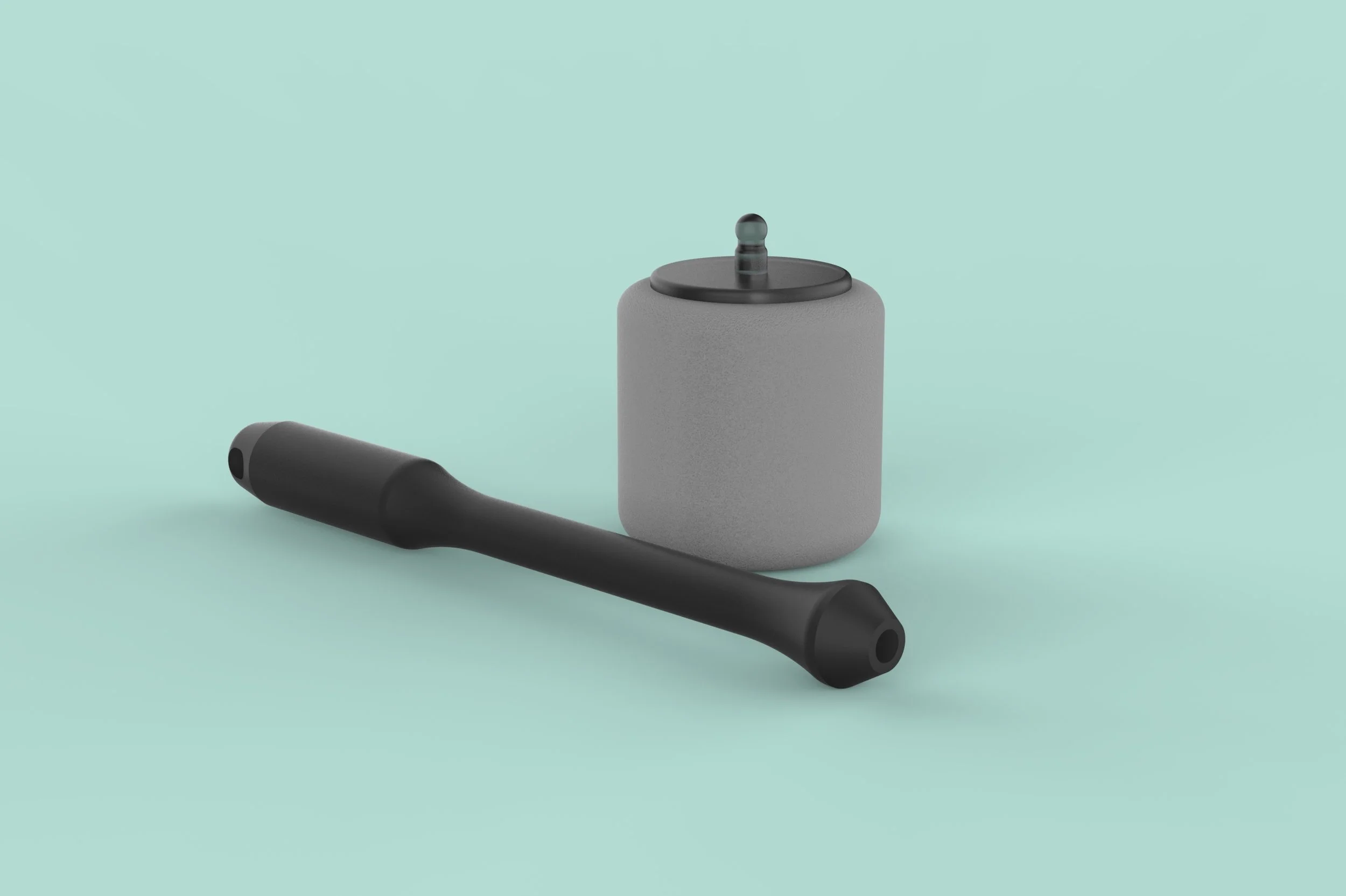
Enter the Phili-Phobi, a tool that could be used in home kitchens across the globe, and can be a more time-efficient method of extracting excess oil in foods, which can then be reused in other dishes or safely discarded. The sponge of the Phili-Phobi, which has been modified according to the previously mentioned research paper, absorbs only oil through its oleophilic and hydrophobic properties, and its proven temperature resistance allows the sponge to withstand hot broths without compromising its functionality, making it a seamless experience of ridding excess oil from your broth while cooking or enjoying hot pot.
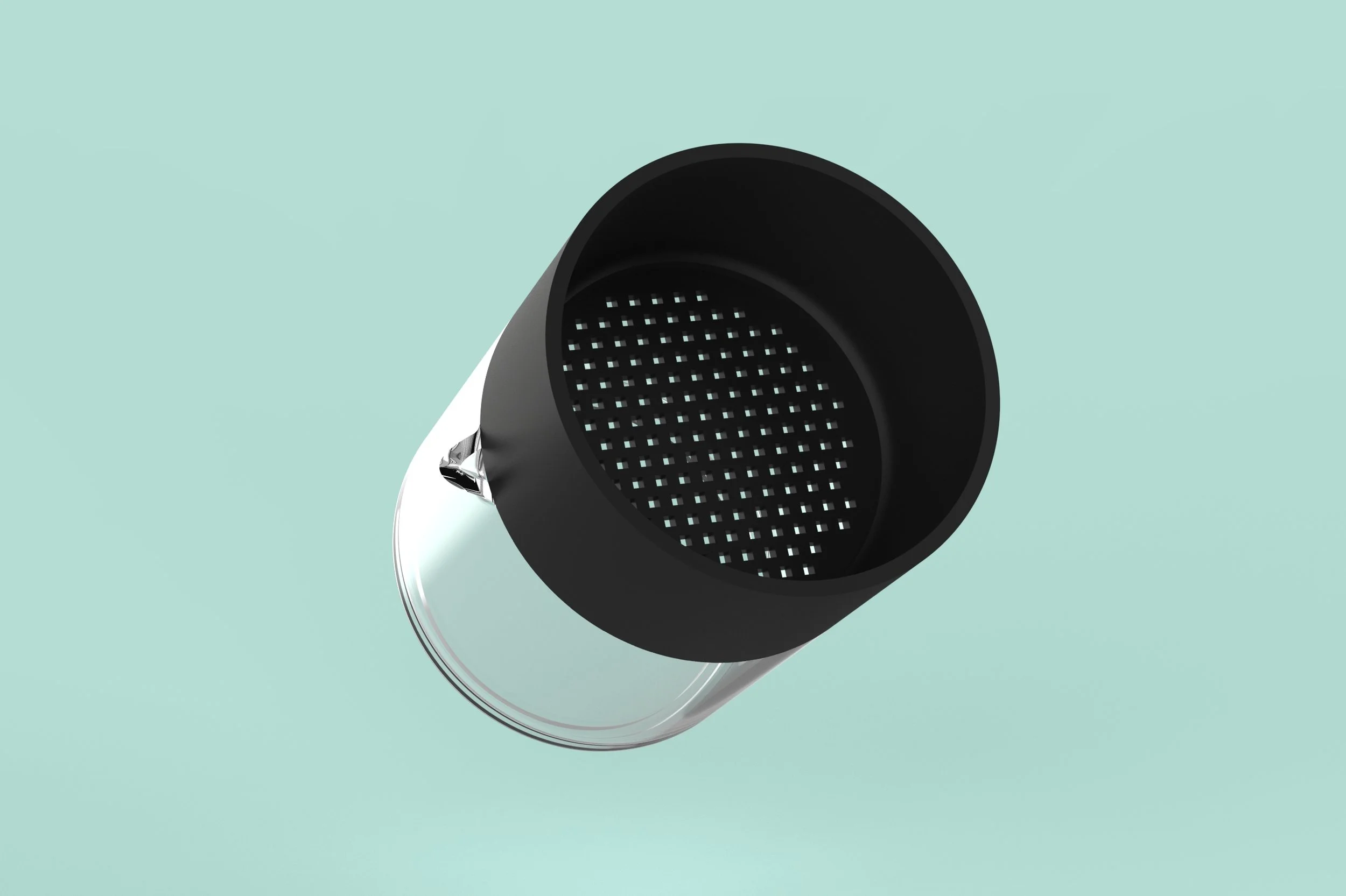
The sponge has as lifetime of about 30-50 uses, and when the time comes can easily be replaced by popping the sponge off of the handle and snap fitting a new sponge in place, which will be sold at an affordable price point. Additionally, the beaker with a detachable gridded lid acts as a stand for the handheld portion. By placing downward pressure on the sponge above the beaker, the absorbed oil will be squeezed out, dripping through the gridded lid, and collecting in the beaker below. When not in use, the set can be stacked together and takes up minimal counter space.
The Phili-Phobi was designed with the aim of existing in the majority of households, particularly hot pot enjoyers. With cost-efficiency in mind, aiming to be financially accessible for the majority of households, the minimalistic design helps to keep the production cost low while also keeping a familiar look that integrates well into home kitchens.
Although the process of modifying pu sponges is simple and cost effective, the biggest hurdle for this product to reach the market is whether it can be FDA approved. There is a chance that modifications may need to be made to the chemical solution by scientists and researchers before being safe for direct food usage. However, if these hurdles are successfully passed, there is potential for a moderately high ROI for this product as the first of its kind within the kitchen product market.